Expert Architectural Designers in St. Louis
Upgrade Your Living Area: The Power of Professional Architectural Design Services
Professional architectural design services play a fundamental role in transforming spaces. These services merge practicality with visual appeal, ensuring that each project meets both practical needs and visual standards. Designers utilize cutting-edge methods and eco-friendly approaches, tailoring their work to meet neighborhood specifications. Yet, numerous individuals fail to recognize how these offerings can unlock the full capability of their surroundings. Examining the wide-ranging benefits of working with an architect uncovers perspectives that could transform any environment.
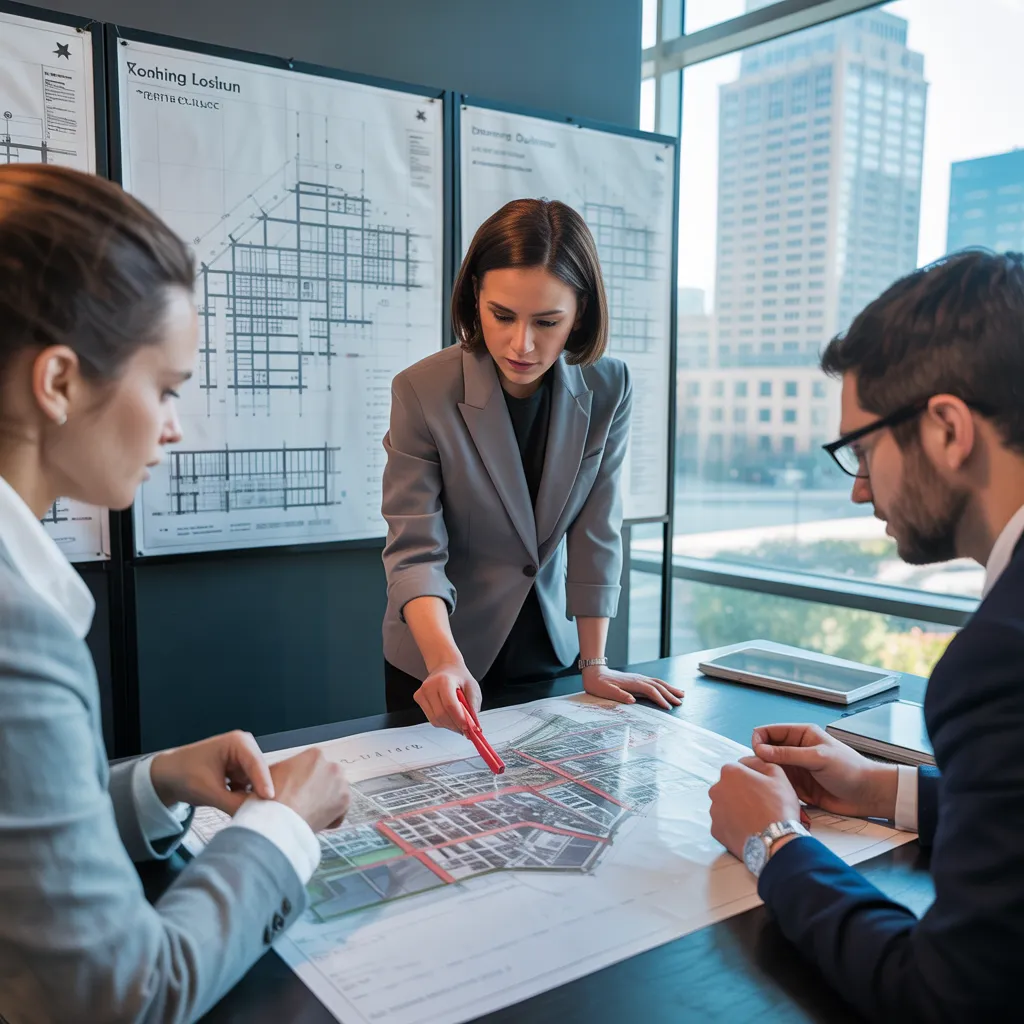
Revealing the Benefits of Professional Architectural Design
Uncovering the importance of skilled architectural practice is essential for elevating both practicality and visual appeal in any development. Effective architectural design goes beyond simple visual appeal; it unifies the principles of space planning, environmental sustainability, and structural integrity. By leveraging sophisticated methods and a profound understanding of materials, architectural professionals craft spaces that are not only visually striking but also effective and purposeful.
Moreover, experienced architectural professionals account for the unique circumstances of every project, including community needs, climate considerations, and local regulations. This comprehensive methodology guarantees that the design is not only groundbreaking but also well-integrated with its surroundings. They make use of state-of-the-art technology, such as three-dimensional modeling, to give clients a precise visualization of the finished project. At the end of the day, choosing professional architectural design services leads to significant long-term gains, boosting both occupant satisfaction and the property's market value.
Top Advantages of Engaging an Architect for Your Design Project
Employing an architect for a construction project offers a range of advantages that elevate both the process and the end result. Architects bring a wealth of expertise, making certain that projects follow local regulations and building codes, which can prevent costly issues down the line. Their ability to produce detailed plans and specifications serves to simplify the construction process, decreasing delays and miscommunication among project contractors.
Additionally, architects are proficient in project management, overseeing the key elements of the design and construction phases. This supervision confirms that time frames and budgets remain on track, instilling confidence in clients. Additionally, architects can identify potential challenges at the beginning of the design phase, creating opportunities for proactive problem-solving. Their expertise in materials and construction methods can lead to innovative solutions that optimize productivity and eco-friendliness. In the end, hiring an architect not only elevates the design project but also enriches the complete process for clients.
Improving Aesthetics and Functionality Through Architectural Knowledge
Architectural proficiency serves a crucial part in elevating both form and function in construction endeavors. By employing innovative design solutions, making the most of spatial layouts, and sourcing environmentally responsible materials, architectural professionals can craft settings that are visually appealing and practical. This approach not only fulfills client requirements but also encourages sustainable practices.
Progressive Design Concepts
Groundbreaking design strategies reshape spaces by harmoniously combining visual appeal with utility. Skilled architects utilize imaginative techniques to address varied client requirements while elevating aesthetic value. By utilizing textures, hues, and shapes that complement the surroundings, design professionals develop cohesive areas that express unique personalities. Advanced technology, including 3D modeling and virtual reality, allows for immersive simulations, allowing clients to experience ideas prior to execution. Furthermore, incorporating eco-friendly methods ensures that designs are both visually appealing and environmentally responsible. With deliberate attention to brightness, proportion, and circulation, these strategies optimize user comfort and support overall health. Ultimately, innovative design fosters a unique synergy between practicality and beauty, elevating the overall quality of living and working environments.
Space Maximization Strategies
Maximizing space involves strategic planning and design techniques that enhance both aesthetics and functionality. Skilled architectural design professionals implement techniques including open floor plans, which eliminate unnecessary walls and foster a sense of spaciousness. Versatile furniture pieces can be incorporated to fulfill multiple roles, guaranteeing that every square foot is used efficiently. Moreover, deliberate arrangement of windows and mirrors can generate the perception of roomier spaces, welcoming natural light and boosting visual perspective. Professionals also evaluate movement pathways, confirming that passage through a space is both natural and streamlined. By prioritizing these optimization techniques, architects transform environments into harmonious areas that not only look appealing but also cater to the practical needs of their occupants.
Green Material Options
With a growing emphasis on sustainability, architects are increasingly drawn to environmentally conscious materials that improve both visual appeal and performance. Utilizing materials such as reclaimed wood, bamboo, and recycled metal not only minimizes ecological harm but also brings distinctive charm to interiors. Such selections support a harmonious design, blending seamlessly with natural surroundings. Beyond this, integrating options such as low-VOC paints and energy-efficient glass boosts interior air quality and strengthens thermal efficiency, resulting in improved health and comfort for building occupants. By making deliberate and informed material selections, architects develop stunning and inviting settings that appeal to environmentally aware clients. Such a philosophy encourages a more conscientious design approach, proving that beauty and sustainability can coexist, while responding to the critical call for sustainable innovations in today's built environment.
How Technology Shapes Today's Architectural Designs
Currently, a multitude of technological advancements heavily affects architectural design, transforming how structures are conceived and constructed. Building Information Modeling (BIM) permits architects to create intricate 3D models, enabling better collaboration between stakeholders and guaranteeing precision throughout the design process. Moreover, virtual reality (VR) and augmented reality (AR) allow clients to interact with spaces before they are developed, making design decisions more thoughtful and deliberate.
Sustainability has also been enhanced through technology, with energy simulation tools assisting architects in improving building efficiency by modeling energy usage and ecological effects. Moreover, innovative materials and construction approaches, such as additive manufacturing and prefabricated construction, simplify and accelerate the building process, minimizing construction timelines and financial outlays. Drones and robotic systems are becoming more widely adopted for site evaluations and inspections, delivering live data that enhances precision and on-site safety. Taken together, technology not only elevates creative expression but also ensures architectural designs fulfill current expectations for efficiency and environmental responsibility.
Widespread Misconceptions Regarding Architectural Services
Numerous people have false beliefs about the services provided by architects, thinking that they are far too costly and that architects concentrate solely on designing buildings. This narrow view fails to acknowledge the wide variety of services that architects offer, including project planning and professional consultation. Recognizing these misunderstandings is essential for recognizing the genuine worth of the expertise that architects bring.
The High Cost of Architectural Services
The belief that architectural services are prohibitively expensive often stems from misunderstandings about their value and scope. Numerous people associate elevated prices with being out of reach, ignoring the enduring value that professional design delivers. Architectural services involve far more than the creation of design plans; they involve extensive planning, regulatory compliance, and innovative problem-solving. Through investing in these professional offerings, clients often save money in the long run through efficient resource use, reduced construction errors, and increased property value. Moreover, the scale and detail of a project can considerably affect pricing, underscoring the need to appreciate that a carefully structured design can generate considerable monetary savings. Ultimately, viewing architectural services as an investment rather than an expense can reshape perceptions and enhance appreciation for their importance.
Architects Exclusively Design Buildings
A common misconception is that architects solely focus on designing buildings. The fact is, their proficiency goes much further than basic building design. Architects participate in urban planning, landscape architecture, and interior environments, creating balance among different components. They work closely with clients to develop practical spaces that improve everyday living. Additionally, architects engage in sustainability efforts, integrating eco-friendly practices into their designs. They regularly take on public spaces, green parks, and civic projects, responding to societal requirements and upgrading urban frameworks. In addition, architects offer essential guidance during renovation and restoration endeavors, maintaining historical value while meeting contemporary requirements. This versatile profession highlights their significance in influencing not only structures, but whole neighborhoods and surroundings.
Picking the Best Architect for Your Design Vision
How can someone ensure that the chosen architect aligns with their unique creative vision? Choosing the ideal architect requires thorough assessment of key elements. Initially, reviewing an architect's portfolio can reveal details about their creative style and skill set. This approach enables future clients evaluate whether the architect's previous work reflects their individual design sensibilities.
Furthermore, strong communication plays a key role. Engaging in initial consultations allows clients to express their ideas and expectations clearly. An architect's ability to listen and respond thoughtfully indicates their commitment to understanding the client's vision.
Moreover, checking references and client testimonials can highlight the architect's reliability and professionalism. It is crucial to verify that the architect has relevant experience suited to the project's requirements, whether residential or commercial. When all is considered, a perfectly suited architect can turn a vision into a tangible outcome, making the choice of architect critical for delivering outstanding architectural outcomes.
Success Stories in Architectural Design
Bringing concepts to life, successful architectural design stories illustrate the remarkable influence of careful planning and innovative examine guide execution. A standout example is the transformation of a century-old warehouse into a thriving community hub. Architects meticulously preserved the building's historic elements while introducing modern-day facilities, creating a space that promotes teamwork and meaningful connection.
One other motivating example featured a sustainable living space initiative that incorporated eco-friendly materials and innovative design techniques. This methodology not only lowered carbon emissions but also created a harmonious living environment, setting a benchmark for upcoming projects.
Within city environments, the conversion of underutilized spaces into lush green spaces showcases how thoughtful planning can enhance community well-being. Every example demonstrates a dedication to elevating design and usability, showing how professional architectural services can elevate spaces and improve quality of life. These successes serve as a demonstration of the transformative power of thoughtful design in shaping environments for the communities of tomorrow.
Frequently Asked Questions
What Credentials Should I Seek in an Architect?
When seeking an architect, it is essential to prioritize qualifications such as a relevant degree, valid professional credentials, variety in their portfolio, effective interpersonal skills, and expertise in the specific project type to guarantee effective collaboration and successful outcomes.
How Much Time Does the Architectural Design Process Usually Take?
The process of architectural design usually spans anywhere from three to six months, based on project complexity, the needs of the client, and regulatory approvals. Strong communication and teamwork may shorten this timeline, ensuring timely delivery of the final design.
What Are the Costs Associated With Hiring an Architect?
The costs associated with hiring an architect generally fall between 5% and 15% of the overall project budget, based on the complexity and scope of the project. Extra charges may occur for consultations, revisions, and specialized services during the design process.
Are Architects Able to Assist With Permits and Zoning Regulations?
Yes, architects can provide assistance with permits and zoning regulations. Their professional expertise ensures compliance with local regulations, expediting the application process and decreasing potential setbacks, ultimately supporting the successful completion of a project.
How Can I Communicate My Vision Effectively to an Architect?
To communicate effectively with an architect, one should prepare visual aids, outline particular needs, discuss preferences, and stay receptive to professional recommendations. Clear communication and teamwork build a constructive conversation, guaranteeing that the design vision matches professional knowledge.